
Vienna Real Estate: Mortgage or Direct Purchase? A Strategic Guide
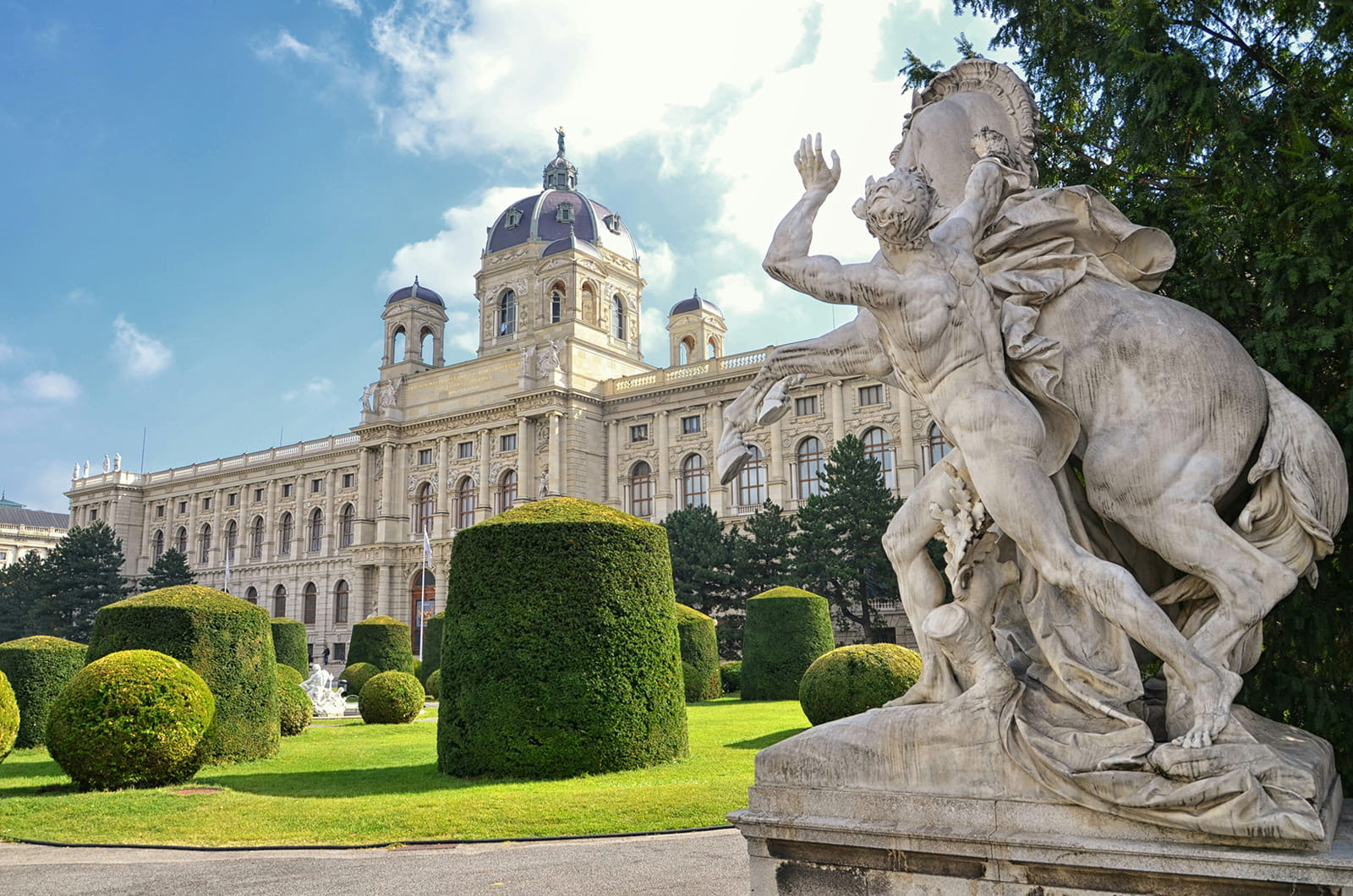
Discover why Vienna is a safe haven for capital. Learn the advantages of mortgage vs. direct property purchase in Austria, and how legal protection and Austria’s neutrality make real estate a strategic investment.
Why Vienna?
Vienna consistently ranks among the world’s top cities for quality of life (Mercer Quality of Living Index). Yet its appeal extends far beyond lifestyle. Austria is one of Europe’s few neutral countries, outside military alliances, with stable governance and predictable economic policies.
For international investors, this means that real estate in Vienna is not exposed to the same geopolitical and macroeconomic risks as other markets. Properties here are not just square meters; they represent a secure, long-term store of capital, combining cultural prestige, political stability, and legal certainty.
The city’s historical position as a diplomatic and financial hub, coupled with a robust regulatory framework, makes Vienna one of the safest real estate markets in Europe. Whether as a personal residence, investment, or part of a diversified portfolio, Vienna provides unmatched security for capital in uncertain times.
Direct Purchase: Heritage, Status, and Long-Term Security
Purchasing property outright guarantees immediate ownership and full rights recorded in the Grundbuch (land register). Unlike some markets in Eastern Europe or Asia, where property registration can be encumbered by bureaucratic uncertainty, Austria offers absolute legal clarity.
For investors viewing property as a multi-generational asset, direct purchase provides:
-
Full control from day one
-
Security against hidden encumbrances
-
The prestige of owning property in a European capital with enduring international recognition
Buying property directly is also a strategic statement. In Vienna, ownership signals stability and commitment, aligning with broader goals of wealth preservation and legacy planning.
Mortgage: A Strategic Tool for Capital Allocation
A mortgage is not merely a financial necessity—it is a sophisticated tool for wealth management. Even well-capitalized investors often use mortgages to:
-
Preserve liquidity for other investments
-
Diversify capital across multiple assets
-
Hedge long-term exposure in euros and reduce currency risk
Austrian banks, known for their prudence, offer mortgage terms of
The Notary: Architect of Trust
Austrian notaries play a central role in safeguarding transactions. Their responsibilities include:
-
Drafting and certifying purchase agreements
-
Managing funds through a secure escrow account (Treuhandabwicklung)
-
Ensuring ownership is legally recorded in the Grundbuch before the seller receives payment
This system virtually eliminates fraud, creating a transparent and predictable process that protects both domestic and international investors. It is a defining feature of Austria’s exceptionally secure real estate market.
Costs and Transparency
While the purchase price is a primary consideration, additional costs typically amount to
-
3.5% real estate transfer tax
-
1.1% land register entry fee
-
1.2% mortgage registration fee
-
1–3% notary fees -
1–3% bank fees -
~3% broker commission
For discerning investors, these costs are not hidden burdens, but a premium for full legal clarity, risk mitigation, and transaction transparency. They ensure that ownership is clean, uncontested, and future-proof.
Risks Without Legal Guidance
Even in Austria, where the legal system is precise, mistakes can be costly:
-
Encumbrances in the Grundbuch: easements, liens, and usage restrictions
-
Contractual errors: miswritten rights and obligations that can lead to legal disputes
-
Technical or construction issues: properties with hidden legal or structural problems
Without experienced legal counsel, investors risk turning a high-value asset into a costly liability. This underlines the importance of professional advisory in Austrian real estate transactions.
Austria: A Choice for Generations
In an era of currency fluctuations, geopolitical uncertainty, and global market volatility, Austria stands out as a rare example of neutrality and predictability. Vienna’s real estate is more than a residence; it is a strategic instrument for long-term capital preservation.
Investing here is a decision for decades, not years, allowing investors to safeguard wealth across generations while maintaining flexibility and control over their portfolio.
Conclusion
Choosing between a mortgage and direct purchase is ultimately a strategic decision:
-
Direct purchase ensures immediate ownership, status, and legacy
-
Mortgages provide flexibility, diversification, and liquidity management
In both cases, Vienna real estate uniquely combines cultural prestige, legal security, and the political neutrality of Austria, making it an unparalleled choice for international investors seeking stability and long-term protection.


